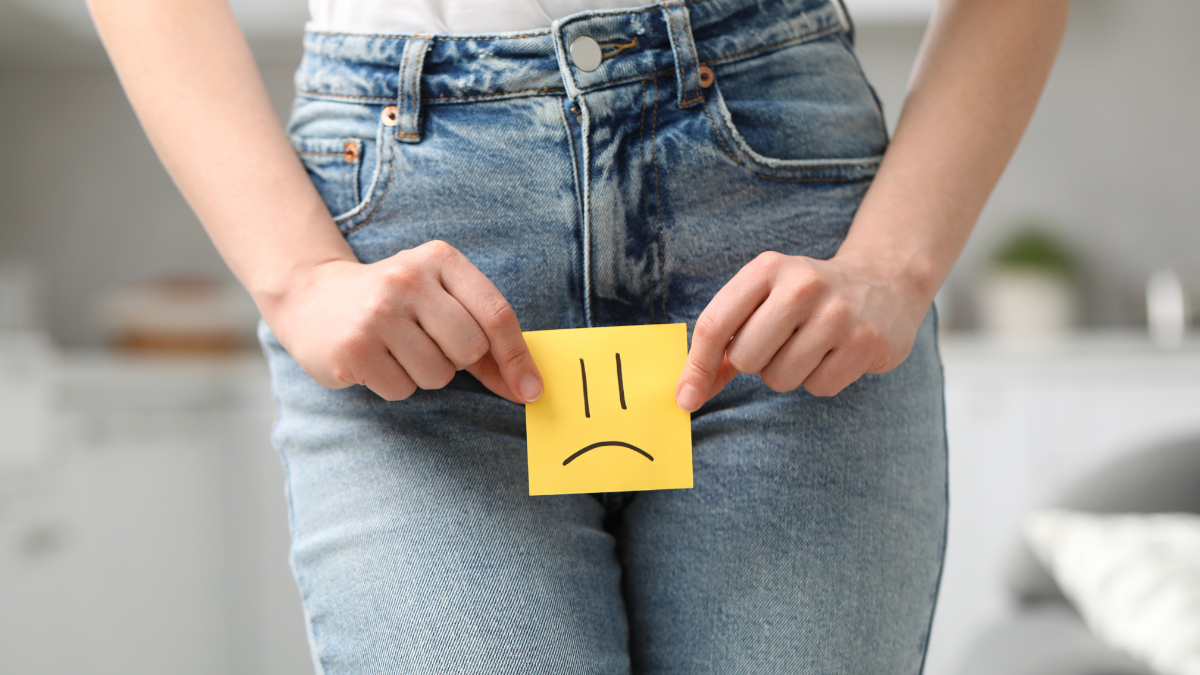
Urinary incontinence in seniors is a common condition that affects many people 60 and older. It can happen to both men and women and may involve occasional leaks or a stronger urge that is hard to control. You are not alone—millions face this, and it doesn’t define your independence.
Thankfully, there are effective ways to manage bladder control issues. From simple lifestyle changes to supportive incontinence products for elderly adults, you can find solutions that fit your daily routine. Exploring these options can restore confidence and comfort.
Whether you’re starting to notice small leaks or more frequent trips to the bathroom, it’s normal to have questions. Talk with a healthcare provider, then explore products like pads, protective underwear, or best adult diapers USA to find what works for you.
What Causes Urinary Incontinence in Seniors?
Several factors contribute to bladder control problems as we age. Understanding these helps in choosing the right approach.
- Aging pelvic and bladder muscles losing strength
- Enlarged prostate or prostate surgery in men
- Lower estrogen after menopause in women
- Chronic conditions like diabetes or arthritis
- Certain medications that increase urine output
Common Types of Incontinence
Recognizing the type of incontinence helps you choose the right strategies and products.
- Stress incontinence: Leaks when coughing, sneezing, or lifting
- Urge incontinence: Sudden strong need to go
- Overflow incontinence: Small leaks when bladder doesn’t empty fully
- Functional incontinence: Physical or mental limits to reaching the bathroom
Options to Manage Urinary Incontinence
Lifestyle Changes
Small daily adjustments can make a big difference in controlling leaks:
- Keep a bladder diary to spot patterns
- Reduce caffeine, alcohol and spicy foods
- Stay hydrated but spread fluids evenly
- Go to the bathroom on a regular schedule
- Maintain a healthy weight to reduce pressure
Pelvic Floor Exercises
Simple pelvic floor exercises can strengthen muscles that support the bladder. Try sitting or lying down, contracting the muscles as if stopping urine, holding for a few seconds, then releasing. Aim for a few sets each day.
Medical Treatments
If lifestyle steps aren’t enough, a doctor can offer more. Options include prescription medications, biofeedback, or procedures that help tighten muscles or reduce bladder spasms. A medical consultation guides the best path.
Incontinence Products
For many seniors, bladder control products provide peace of mind. These practical items offer absorbency and protection so you can continue daily activities without worry. They are discreet, affordable, and easy to find.
Types of Incontinence Products Available
Choosing the right incontinence products for elderly adults starts with knowing what’s on the market.
- Pads and liners (light leakage support)
- Protective underwear or pull-ups (moderate leaks)
- Adult diapers or tab-style briefs (heavy protection)
- Bed pads and furniture protectors
What to Look For When Choosing a Product
The right features make a big difference in comfort, confidence, and preventing leaks.
- Absorbency level matched to your needs
- Comfortable fit without pinching or slipping
- Breathable materials that protect skin
- Solid odor control for daily confidence
- Discrete design under clothing
What to Avoid
Some common mistakes can reduce comfort or worsen skin health—learn what to skip.
- Using regular sanitary pads instead of products designed for elderly leaks
- Choosing too little or too much absorbency
- Ignoring skin irritation or not changing often
- Wearing products all day without breaks
- Buying low-quality items that shift or cause discomfort
Best Incontinence Brands in the USA
When you compare products that fit your needs, consider brands known for quality and reliability. Many seniors trust:
- Depend: A wide range of briefs and liners
- TENA: Soft fabrics and targeted absorbency
- Prevail: Advanced odor and moisture control
- NorthShore: Heavy-duty protection options
- Tranquility: Overnight and maximum absorbency
- Attends: Comfortable tab-style briefs
These bladder control products are widely available—compare absorbency, price, and comfort to choose one that matches your routine.
Tips for Choosing the Right Product
Picking the best product often takes a bit of trial and error. Here are some ideas:
- Try sample packs to see what feels best
- Match your product to active or limited mobility
- Use lighter pads for daytime, higher absorbency at night
- Explore options available in your area and online
- Check what works best for your lifestyle and routine
- Ask for a size guide or measure yourself accurately
- Read user reviews and ratings for real feedback
- Consider eco-friendly or reusable options if you prefer sustainability
Final Thoughts
Urinary incontinence in seniors is manageable and common. With a blend of lifestyle habits, simple exercises, medical advice, and the right incontinence products for elderly needs, you can regain control and confidence. Don’t hesitate to compare options and discuss solutions with your healthcare provider. A more comfortable, worry-free day is within reach.